Tech Meets Wellness: Tiny Tools That Make a Huge Impact
Wellness isn’t just spa days and smoothie bowls anymore. These days, it’s often found on your wrist, in your pocket, or quietly blinking on your nightstand. In a world glued to screens and swamped with information, small, smart tools are changing how we take care of ourselves—without overcomplicating things.
Let’s be clear: you don’t need a room full of gadgets to feel better. What you need are simple, quiet tools that support your mental and physical health without demanding your attention 24/7.
Here’s how the tiniest tech can make the biggest difference.
The Rise of Wearable Wellness
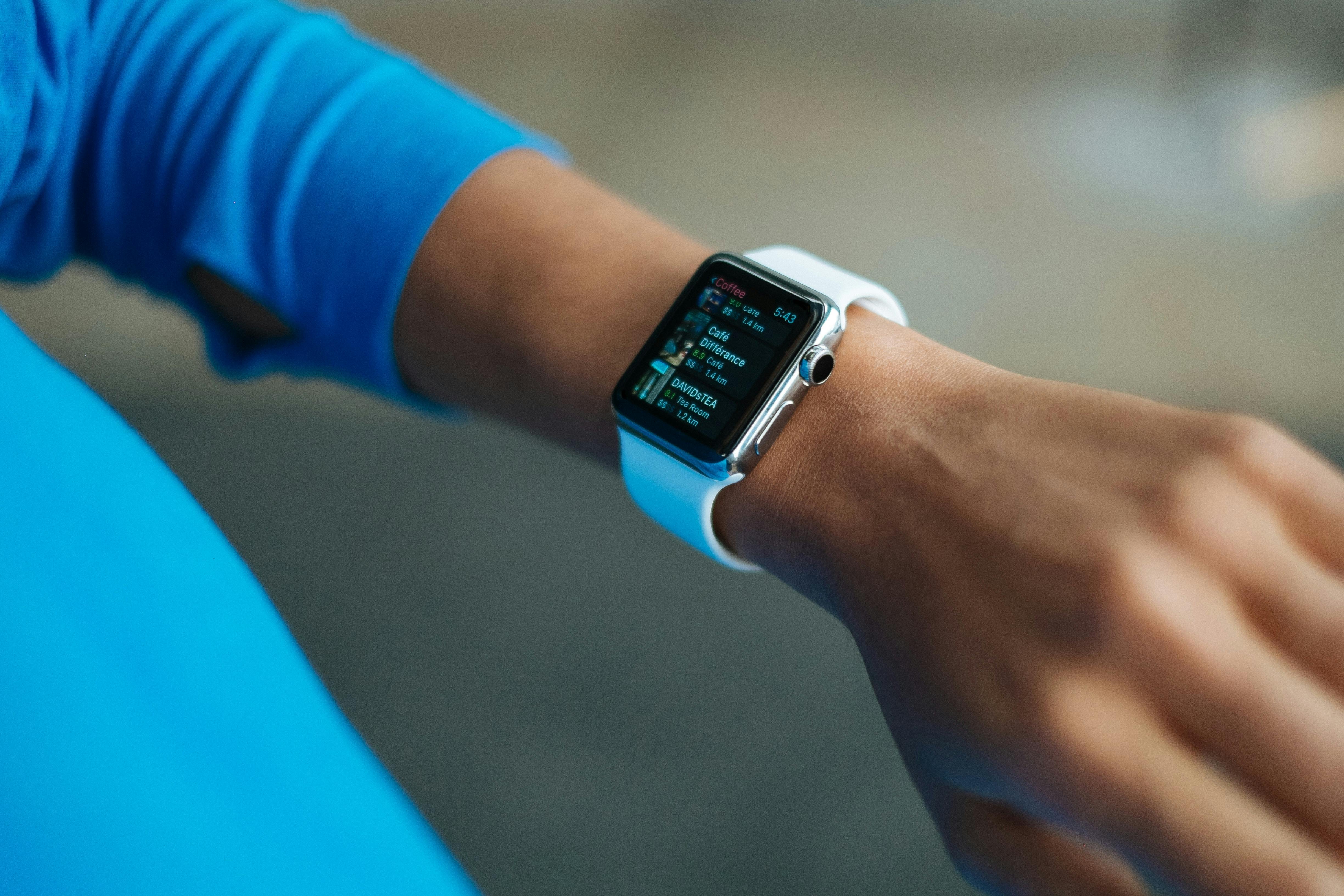
First up: smart watches.
Once just step counters for gym buffs, they’ve morphed into full-blown wellness companions. They’re sleek, silent, and packed with features that gently guide healthier habits—no need to open a million apps or carry a journal.
Want to move more? Set a step goal. Need to calm down? Try the guided breathing function. Curious why you’ve been feeling off lately? Track your heart rate or sleep patterns.
The real magic? It’s passive. You wear it, it watches, and then it tells you what your body’s been trying to say.
Sleep Tracking: Truth Over Guesswork
Think you’re getting enough sleep? Your smart watch might disagree.
These devices offer a clearer picture than your groggy morning guess. They track how long you’re asleep, how much deep rest you get, and whether you’re waking up throughout the night. Some even detect snoring or changes in blood oxygen levels.
Once you see patterns—like poor sleep on heavy screen nights—you can tweak habits. Over time, small adjustments lead to bigger rest wins.
Sleep isn’t just downtime. It’s recovery. And now, it’s measurable.
Guided Breathing: A Tiny Pause With Big Returns
Stress doesn’t knock. It barges in.
But smart watches offer a quiet counterattack: breathing exercises. One tap, and your device walks you through a simple routine—inhale, hold, exhale—timed by gentle pulses or animations.
It’s a break. A pause. A way to remind your nervous system you’re not actually being chased by a bear, even if your inbox says otherwise.
Use it before a meeting, after an argument, or just when your brain feels scrambled. Two minutes can change your whole tone.
Heart Rate Monitoring: Listen to the Beat
We tend to ignore our heart rate unless it’s pounding. But what if you could notice trouble before it feels like trouble?
Smart watches do that. They log resting rates, detect unusual spikes, and sometimes even flag potential issues early.
Why does that matter? Because your heart rate can reflect stress, illness, dehydration, and even anxiety. It’s your body’s dashboard—and now, you can see the numbers, not just feel the effects.
It’s like carrying a mini-checkup on your wrist.
Hydration Reminders: Simple, But Effective
It sounds silly. But a lot of us forget to drink water.
That’s where smart reminders come in. Some watches—or connected apps—ping you gently throughout the day to sip. Not chug. Just sip.
Dehydration affects mood, focus, and energy. And yet we treat it like an afterthought. A quick buzz on your wrist can be the nudge that saves your afternoon slump.
Silent Alarms: Wake Without the Jolt
Traditional alarms are… rude. They blast you out of sleep with noise and stress.
Smart watches offer an alternative. Their silent vibration alarms wake you gently. Some can even sync with your sleep cycle, waking you during a lighter phase so you don’t feel like a zombie.
It’s a softer start to your day—without waking the whole house.
Posture Prompts and Stand Reminders
We sit. A lot. Often like crooked shrimp.
Some smart watches offer posture cues or gentle nudges to stand after long periods. They’re not aggressive—just subtle check-ins to prevent eight straight hours of desk slouching.
These mini-movements reduce stiffness, improve circulation, and remind you your body wasn’t built for chairs alone.
Not Everything Needs a Screen
Here’s the twist: most of these tools help you use your phone less, not more.
Instead of unlocking your screen and falling down a digital rabbit hole, you check your wrist. It’s quick. Purposeful. Done. No endless scrolling.
That means fewer distractions. Less doomscrolling. And more time being present.
Technology shouldn’t demand your attention—it should give some back.
Wellness Isn’t One Big Change
Don’t fall for the lie that you need to overhaul your life to feel better.
Wellness is made of micro-decisions. Five extra minutes of sleep. One deep breath before replying to that text. A glass of water. A short walk.
Smart tools help track, support, and gently guide those choices. They don’t yell. They whisper.
And sometimes, that’s exactly what you need.
Final Thoughts: Small But Mighty
Big results often start with small shifts.
Smart watches and other wellness tech aren’t a replacement for rest, movement, or self-awareness. But they’re tools—quiet helpers in your pocket or on your wrist—that make caring for yourself a little easier, a little more consistent.
So if you’re looking for one tiny upgrade with serious potential? Try the one that taps you lightly on the wrist, reminding you to breathe, move, or just pause.
Tiny tech. Big impact.